
Get patients home, safely.
Hospital discharge support, fast-track home assessments, falls prevention adaptations, and adaptations that reduce readmission risk. We work with NHS partners and community healthcare teams across the South West.
Hospital discharge support, fast-track home assessments, falls prevention adaptations, and adaptations that reduce readmission risk. We work with NHS partners and community healthcare teams across the South West.

Discharge teams, community OTs, falls services, and integrated care boards all know the same problem: a patient is medically ready to leave hospital but the home isn’t ready for them to live in. A grab rail. A bed downstairs. A safe shower. A clear path to the toilet at 3am.
WECR is the home end of that pathway across our region. For most patients the work is fully funded — through DFG, NHS partnership funding, or charitable funding — meaning no cost to the individual at the point of use.
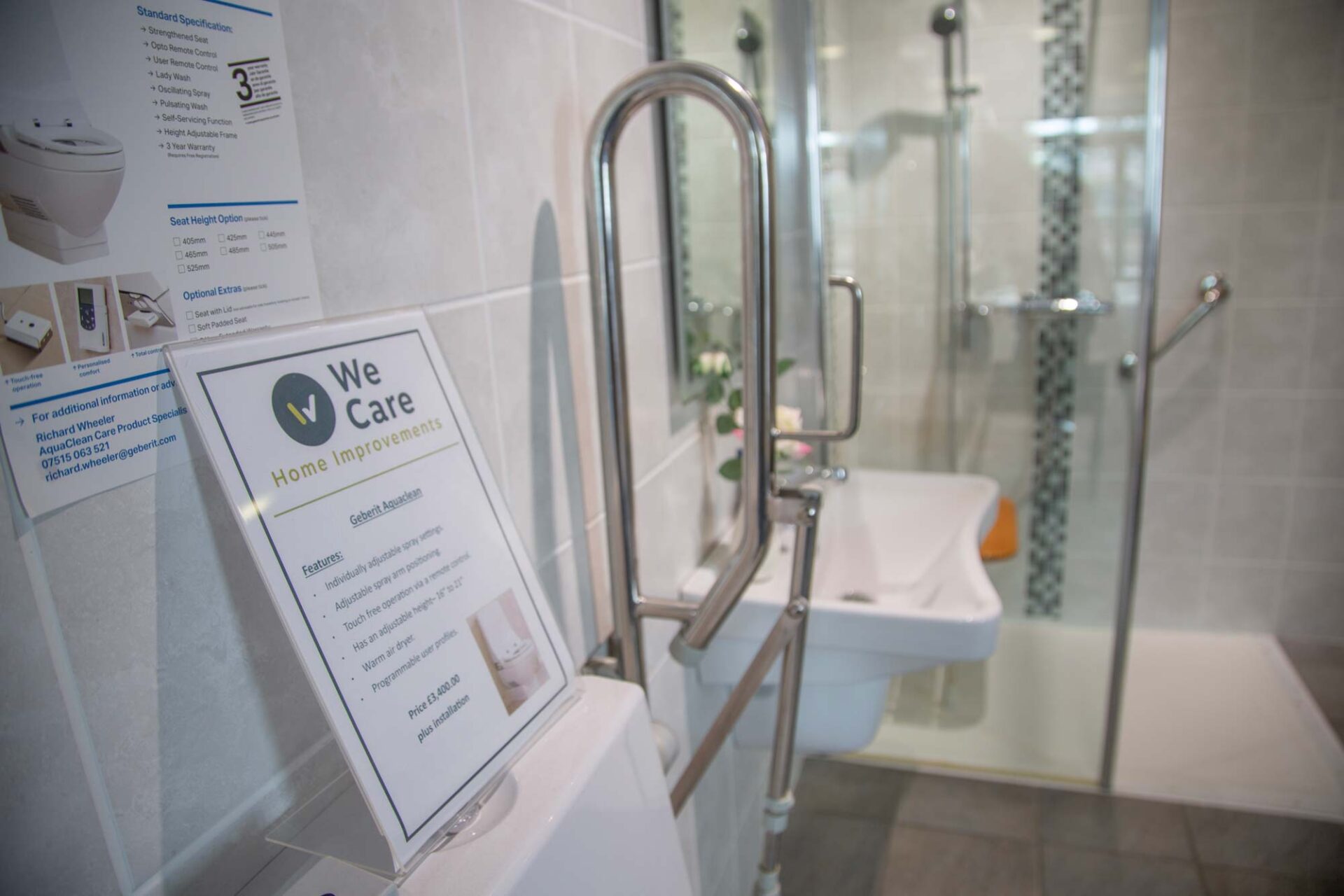
Fast-track adaptation under our hospital-discharge pathway — grab rails, commode access, level-access shower if needed. See the Hospital discharge page for the dedicated route.
Home assessment and falls-prevention adaptations — grab rails, lighting changes, threshold ramps, slip-resistant flooring.
Adaptations that reduce confusion and disorientation in the home — consistent lighting, clear pathways, contrast on key surfaces.
Adaptations designed with the individual and their support team — never imposed.
We work alongside palliative care teams on rapid adaptations that support dignified end-of-life care at home. [TBC: confirm end-of-life referral route]
We work directly from OT specifications, raising questions only where the spec needs clarification.
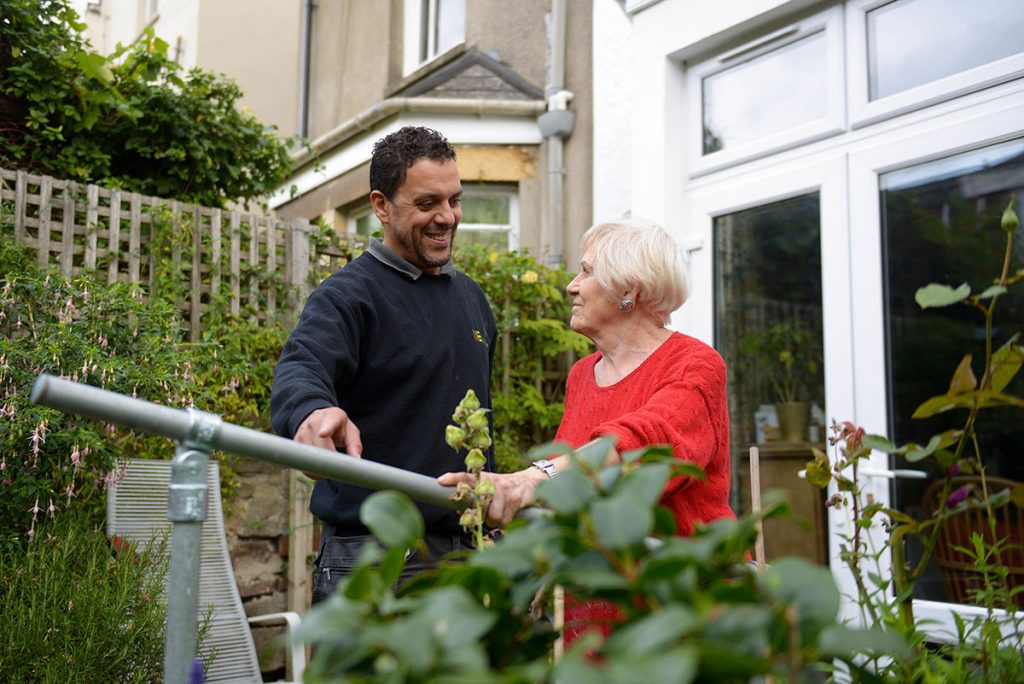
Working alongside NHS Bristol ICB, hospital discharge teams, community OTs and falls services across the South West. [TBC: confirm published partnership outcomes]
A clear pathway for NHS partners and community OTs. Referral acknowledged on receipt, visit arranged inside the agreed SLA, work delivered and reported back.
For NHS partners, OTs, discharge co-ordinators, and falls services. If it’s urgent, please also call 0300 323 0700.
If this is a same-day hospital discharge, please call us on 0300 323 0700 — we triage by phone.

[TBC: pull a real NHS / OT partner quote — confirm before use.] We refer patients to WECR knowing the home will be safe by the time they get there. They communicate properly with our team and they don't drop the ball — which makes a real difference to discharge planning.
If your question isn't here, contact our partnerships team on 0300 323 0700.
For new referrals, please use the form above. For partnership conversations, contact our partnerships team.