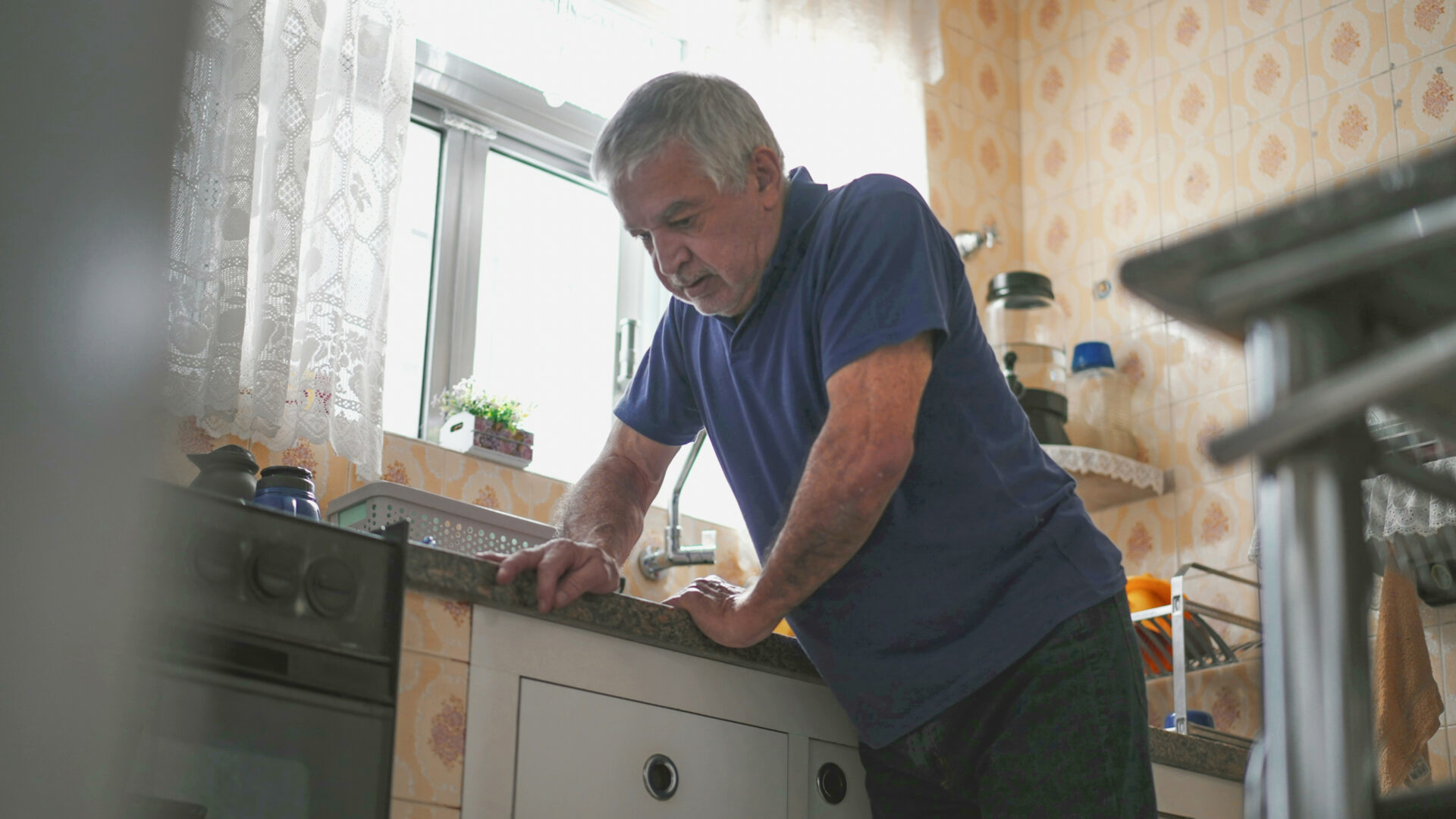
Kitchen adaptations.
Lowered worktops, pull-out shelving, lever taps, accessible appliances. Small changes and bigger ones — kitchens that stay usable as mobility changes.
Lowered worktops, pull-out shelving, lever taps, accessible appliances. Small changes and bigger ones — kitchens that stay usable as mobility changes.
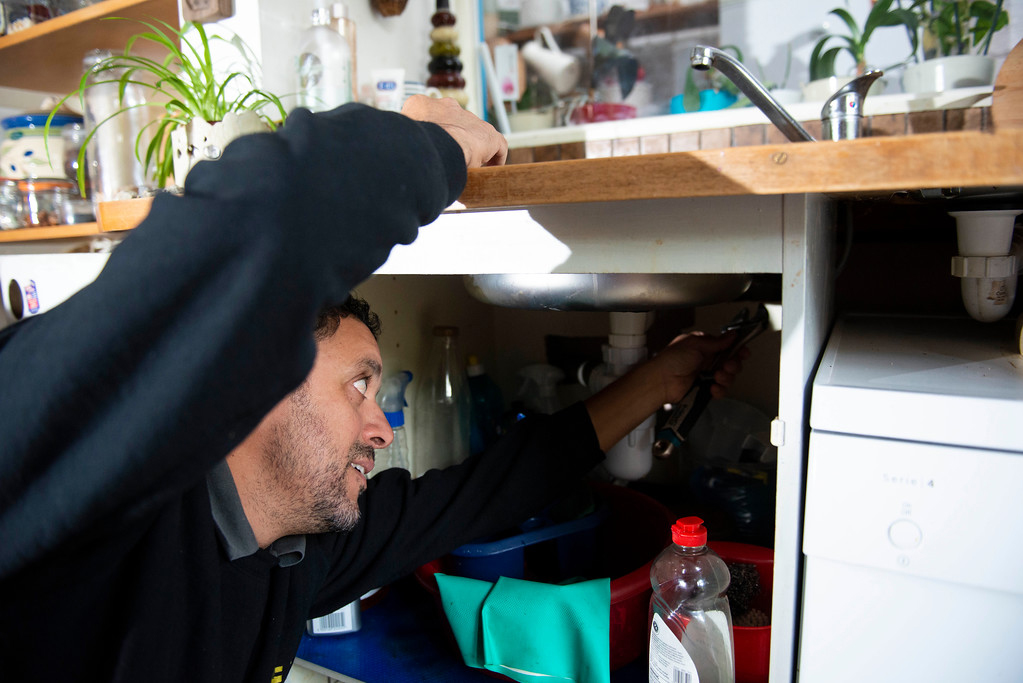
A lot of independence is built on small things. Being able to make a cup of tea. Reach a plate without help. Use the sink without leaning into it.
We adapt kitchens for older people, wheelchair users, and anyone whose mobility has changed. The work ranges from a single lever tap to a complete redesign — and we’ll always recommend the smallest change that solves the problem. Many kitchen adaptations qualify for DFG funding.
We can lower a run of worktop — or rebuild the kitchen with adjustable-height units — so cooking and prep happen at the right level for you.
Pull-down shelving, drawer units, and reorganised storage put everyday items where you can actually reach them.
Lever taps and a wall-mounted hot-water tap make hot drinks possible again without lifting a full kettle.
Raised dishwashers, side-opening ovens, and front-loading machines at counter height take bending out of the equation.
A pull-out perching seat or a knee-space under the sink lets you sit while you work.
Adjustable-height worktops, separate accessible zones, and shared storage keep the room working for both of you.
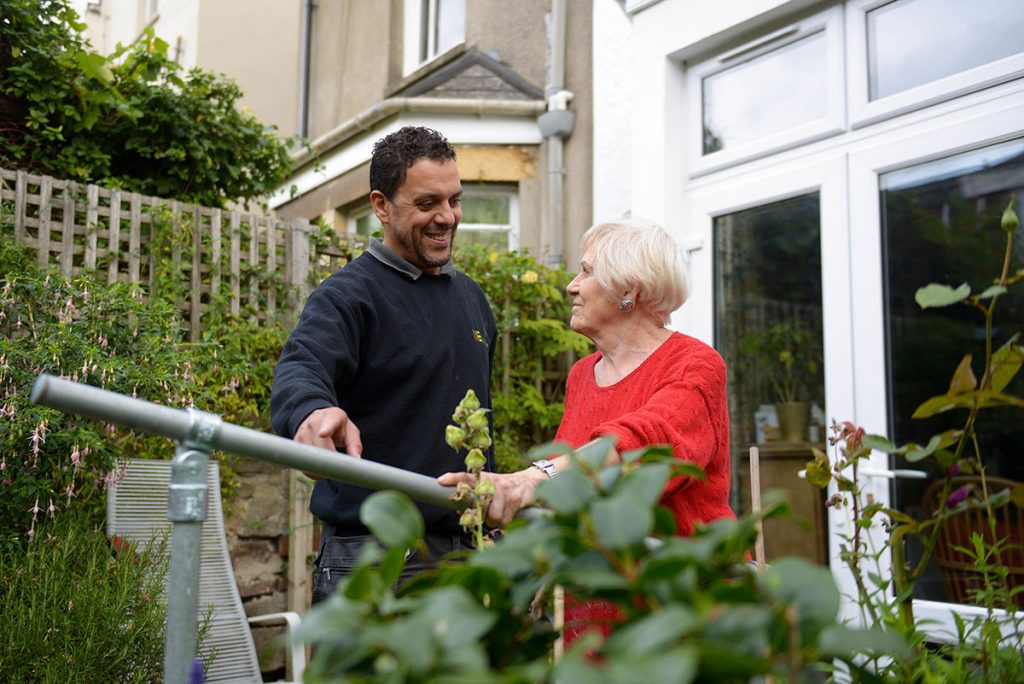
Most kitchen adaptations are covered in full or in part by the Disabled Facilities Grant. We design around what you have, install with our own trades, and finish the room properly.
We’ll listen first, then tell you what would help and what it would take. No off-the-shelf kits.
We do the small jobs and the big ones. Either way, the same trades and the same standard of finish.
A caseworker assesses what's hard and what would help. Recommendations are matched to your situation, not a catalogue.
Council funding application handled end-to-end where eligible.
Old units, worktops, and appliances removed and disposed of properly.
New taps, dishwasher feeds, sockets at usable heights — all signed off correctly.
Worktops, units, appliances, and accessibility features installed by our own trades.
We clean and finish properly. You shouldn't have to live in mess after we've left.

[TBC: pull a real client testimonial about a kitchen adaptation. Placeholder reads like the kind of thing clients say — confirm before use.] I can make myself a meal again without having to wait for someone to come round. They lowered the worktop and put in a side-opening oven, and the difference is enormous.
If your question isn't here, call us on 0300 323 0700 or email info@wecr.org.uk — we'll answer plainly.
A home visit is free and there’s no obligation to proceed.